


 Electric vehicles already represent a major leap toward cleaner transportation, but many drivers want to go even further. They do not just want to drive electric. They want to power their vehicle with renewable energy and reduce dependence on the grid as much as possible. That is where solar car kits for electric vehicles enter the conversation.
The idea is exciting. Add solar capability to an EV, collect sunlight, and use that energy to support charging or vehicle systems. It sounds like the perfect fusion of innovation and sustainability. But what exactly are solar car kits, how do they work, and are they really the best way to turn your EV into a solar-powered machine? This guide breaks it all down in a clear, beginner-friendly way.
What Is a Solar Car Kit?
A solar car kit is a system designed to add solar energy capability to a vehicle or to support electric vehicle charging using portable or fixed solar equipment. Depending on the design, a solar kit may include solar panels, charge controllers, wiring, connectors, mounting hardware, and in some cases batteries or inverters.
It is important to understand that not all solar kits do the same job. Some are built to power small accessories or maintain a 12-volt battery. Others are designed as portable solar charging systems that can contribute energy to EV charging setups. Very few truly allow a standard EV to be fully transformed into a self-powered solar vehicle in the way people often imagine.
Can You Really Turn an EV Into a Solar Machine?
The answer is yes, but with an important reality check. You can absolutely use solar energy to support electric vehicle charging. However, most off-the-shelf solar car kits do not turn an ordinary EV into a vehicle that runs entirely on sunlight collected from its body panels. Surface area, charging system complexity, and energy demand make that very difficult in practice.
What solar kits can do is help supplement power, support charging in certain situations, or create a mobile solar charging solution for off-grid use. In other words, they can make an EV more solar-assisted, but in most cases they will not eliminate the need for regular plug-in charging.
Types of Solar Kits for Electric Vehicles
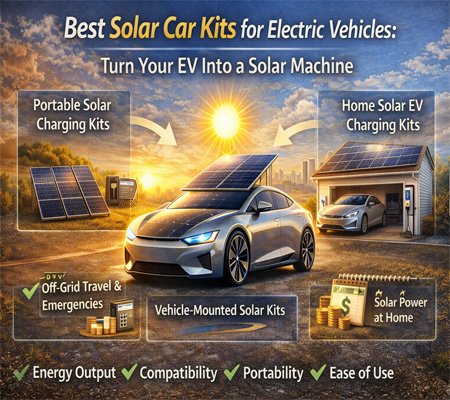
Portable Solar Charging Kits
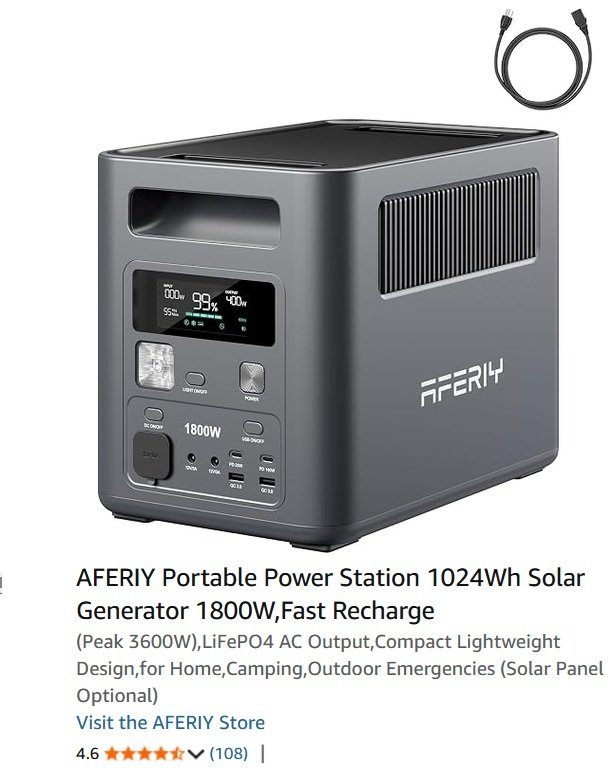
Portable solar charging kits are among the most practical options for EV owners interested in solar support. These kits usually include foldable or transportable solar panels that can be set up outdoors to collect sunlight. They are often paired with portable power stations, charge controllers, or battery storage systems.
These kits are useful for backup charging, off-grid travel, camping, and energy resilience. While they may not provide fast full charging for a large EV battery, they can still offer meaningful supplemental power.
Vehicle-Mounted Solar Kits
Vehicle-mounted kits are designed to place solar panels directly on a vehicle’s exterior, often on the roof or other flat surfaces. In most cases, these setups are more common for vans, RVs, trailers, or specialty vehicles than for standard passenger EVs.
For electric cars, this type of kit is limited by available space. That means the energy collected is often modest. Still, some drivers are drawn to these kits because they offer a visible solar upgrade and can support small energy needs.
Home Solar EV Charging Kits
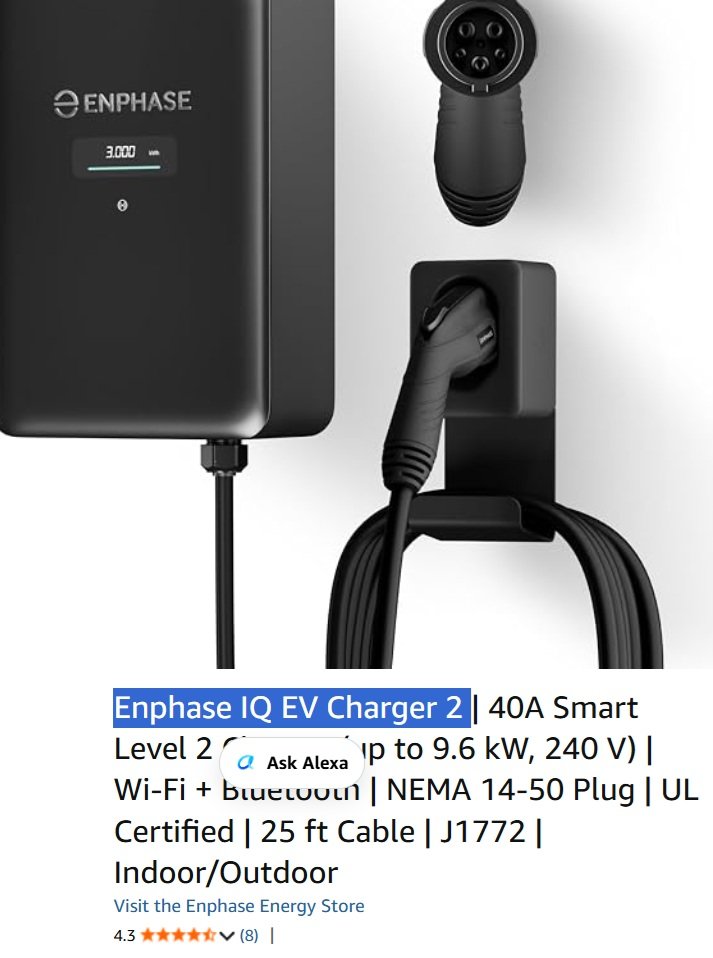
Although not always described as “car kits,” home solar EV charging systems are often the most practical way to turn an electric vehicle into part of a solar-powered lifestyle. These systems typically include rooftop solar panels, an inverter, and an EV charger that allows the car to be charged using solar energy generated at home.
For many drivers, this is the best solution because it provides much more solar collection area than any vehicle-mounted setup ever could.
What to Look for in the Best Solar Car Kits
Energy Output
One of the first things to evaluate is how much power the kit can actually produce. Not all solar kits generate enough electricity to make a noticeable difference for EV charging. A kit that works well for maintaining a small battery may be far too limited to meaningfully support a large electric vehicle battery pack.
Compatibility
Compatibility is critical. The kit needs to work with the voltage, connectors, charging requirements, and energy management system involved in your vehicle or charging setup. This is one reason many EV owners choose solar solutions that work through home chargers or portable power stations instead of trying to wire solar panels directly into the car.
Portability or Installation Style
Some drivers want a foldable, portable system they can use on trips or in emergencies. Others want a more permanent mounted setup. The best kit depends on how you plan to use it. A portable kit may offer flexibility, while a fixed system may deliver more consistency.
Durability
Solar equipment lives outdoors or travels frequently, so durability matters. Good kits should be built to handle heat, moisture, travel wear, and repeated setup if they are portable. A solar system is only valuable if it can keep performing over time.
Ease of Use
A complicated solar kit can become more frustrating than helpful. The best systems are reasonably easy to deploy, connect, monitor, and maintain. For many users, convenience is a major factor in whether the kit becomes part of everyday use or ends up forgotten in storage.
The Best Use Cases for Solar EV Kits
Solar kits tend to make the most sense in specific situations rather than as a universal solution. They can be especially useful for off-grid travel, emergency preparedness, camping, remote charging support, and sustainability-focused drivers who want to experiment with renewable energy integration.
For example, a portable solar kit paired with a power station may help provide backup charging access during outages or in remote areas. A home solar EV system may be ideal for households looking to reduce long-term charging costs. The best choice depends on whether the goal is convenience, resilience, reduced grid dependence, or simply the excitement of solar-assisted mobility.
The Limitations of Solar Car Kits
It is important to be realistic about what solar car kits can and cannot do. Most standard electric cars consume a significant amount of energy, especially when driven daily. Small solar panel kits usually cannot keep up with that level of demand on their own.
This means a solar kit should usually be seen as a supplemental system rather than a complete replacement for traditional charging. Vehicle-mounted kits are especially limited because passenger cars simply do not have enough surface area to capture the same amount of energy as a rooftop home array.
Charging speed is another consideration. Solar charging can be slower and more variable than conventional home charging. Weather, daylight hours, and panel orientation all affect performance. Buyers who expect instant, high-speed solar charging may be disappointed unless they fully understand these limits beforehand.
Are Solar Car Kits Worth It?
Whether a solar car kit is worth it depends on what the owner expects. If the goal is to eliminate grid charging completely for a typical EV, most kits will probably fall short. If the goal is to add renewable support, improve emergency preparedness, enjoy off-grid flexibility, or reduce some charging costs over time, a solar kit may absolutely be worth exploring.
The best value usually comes when the kit is matched to a realistic purpose. A portable solar charging setup for backup power is one kind of success. A home solar EV charging system that lowers long-term utility bills is another. The biggest disappointment usually comes when buyers expect a small solar kit to behave like a full-scale charging station.
Who Should Consider One?
Solar EV kits are best for drivers who enjoy energy independence, outdoor travel, clean technology, and creative ways to reduce reliance on traditional power. They are especially attractive to early adopters, campers, RV and van owners, preparedness-minded households, and homeowners interested in renewable charging systems.
Standard daily commuters may still benefit, but they are often better served by a home solar charging system than by a small vehicle-mounted kit. In many cases, the smartest route is not turning the car itself into a giant solar collector, but connecting the EV to a broader solar-powered charging strategy.
The Smartest Path to a Solar-Powered EV Lifestyle
For most people, the most effective way to turn an EV into a solar machine is not through a tiny panel attached to the roof of the car. It is through a larger solar ecosystem that includes home solar panels, smart charging equipment, and possibly portable backup systems for added flexibility.
That approach gives the driver the best of both worlds. The vehicle stays practical and fully usable, while the charging energy becomes cleaner and potentially cheaper over time. It may not look as dramatic as a fully solar-skinned car, but it is often far more effective in real life.
Final Thoughts
Solar car kits for electric vehicles are a fascinating part of the clean transportation movement. They offer a glimpse of what more self-sustaining mobility could look like, and in the right situations they can deliver real value. But they work best when expectations are realistic and the system is matched to the right purpose.
If your goal is to reduce charging costs, add backup energy support, or move closer to a renewable driving lifestyle, the right solar kit may be a smart investment. Just remember that the best solar machine is usually not created by one small panel alone. It is created by building a thoughtful solar strategy around how you actually drive and charge every day.
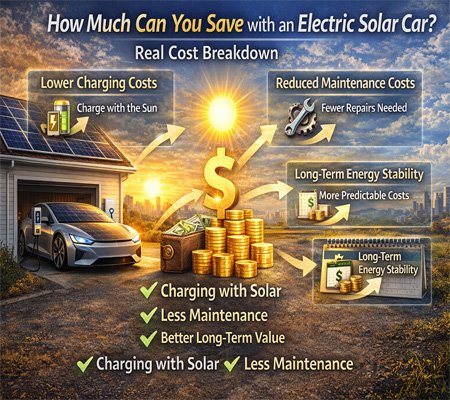 Electric solar cars capture attention because they promise something drivers want more than ever: lower operating costs and cleaner transportation. The idea is easy to understand. If a vehicle can use electricity instead of gasoline and gather some of that energy from the sun, then ownership should become more affordable over time. But how much can you really save with an electric solar car?