



 Transportation is evolving at a remarkable pace, and one of the most exciting developments is the rise of electric solar car technology. Electric vehicles have already changed the conversation around fuel, efficiency, and emissions. Now solar-powered vehicle innovation is adding a new dimension to that progress by allowing cars to capture energy directly from the sun.
This shift is about more than convenience. It represents a deeper transformation in how mobility is designed, powered, and experienced. Instead of relying entirely on external charging systems, electric solar cars point toward a future where vehicles become more energy-aware, more self-sustaining, and more closely connected to renewable power. The innovations behind this movement are helping define the future of green mobility.
What Is Electric Solar Car Technology?
Electric solar car technology combines two major systems: an electric drivetrain and solar energy collection. The electric drivetrain powers the vehicle using stored battery energy, while solar panels capture sunlight and convert it into electricity. That electricity can then be used to support battery charging, extend range, or power onboard systems.
In most current applications, solar energy works as a supplement rather than a full replacement for conventional charging. Even so, the technology is significant because it reduces dependence on the grid, improves energy efficiency, and moves transportation closer to a renewable future.
Why Solar Innovation Matters in Mobility
Solar innovation matters because transportation remains one of the biggest areas where societies are trying to reduce emissions and increase sustainability. Electric vehicles solve many problems associated with gasoline engines, but they still require electricity from somewhere. Solar technology helps answer that challenge by bringing renewable generation directly into the mobility equation.
This creates a powerful advantage. A vehicle that can collect some of its own energy becomes more efficient and potentially less expensive to operate over time. It also feels more aligned with the principles of green mobility, where clean transportation is not just about what powers the motor, but also about where the energy comes from.
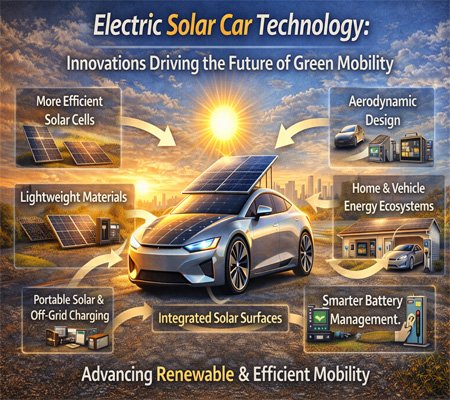
Innovation 1: More Efficient Solar Cells
One of the biggest breakthroughs driving electric solar car technology is improved solar cell efficiency. Older solar panels were often too bulky or inefficient to make much of a difference on a vehicle’s limited surface area. Newer photovoltaic technologies are becoming better at converting sunlight into usable electricity, making solar integration more practical.
This matters because a car has far less solar collection space than a home rooftop system. Every improvement in efficiency helps make the energy gathered more meaningful. Higher-performance solar cells allow automakers to get more power from the same amount of panel space, which is essential for vehicle design.
Innovation 2: Lightweight Materials
Weight is one of the biggest enemies of efficiency in any vehicle, especially an electric solar car. That is why lightweight materials are such an important part of solar EV innovation. The lighter the vehicle, the less energy it needs to travel each mile. This makes every watt collected from the sun more valuable.
Advanced composites, aluminum structures, and other lightweight materials are helping manufacturers design vehicles that can do more with less energy. These materials also support the sleek, aerodynamic shapes often associated with solar vehicle concepts and next-generation EVs.
Innovation 3: Aerodynamic Design
Aerodynamics play a major role in green mobility, and they are especially important in solar-powered vehicles. The less drag a car creates, the less energy it needs to maintain speed. That means a highly aerodynamic car can travel farther on the same battery charge and make better use of supplemental solar power.
This is why many electric solar car prototypes and production-focused concepts have smooth, flowing body shapes. The design is not just about looks. It is about maximizing efficiency so that solar input becomes more useful in real-world driving.
Innovation 4: Smarter Battery Management Systems
Batteries are at the heart of every electric vehicle, but the intelligence behind how those batteries are managed is just as important. Modern solar EVs benefit from advanced battery management systems that track energy flow, optimize charging, protect battery health, and use power more intelligently.
In a solar-assisted vehicle, this smart energy control becomes even more important. The system must manage energy collected from the sun, energy stored in the battery, and energy consumed by the motor and other vehicle systems. Better software and battery control help make solar support practical and efficient.
Innovation 5: Integrated Solar Surfaces
Another exciting development is the integration of solar surfaces directly into vehicle design. Instead of adding bulky panels as a separate element, some manufacturers are building solar cells into the roof, hood, hatch, or other body panels in a more seamless way.
This improves both aesthetics and functionality. It allows solar technology to become part of the car rather than an obvious add-on. Integrated solar surfaces also help manufacturers use available vehicle space more effectively, even if that space remains limited compared with fixed solar installations.
Innovation 6: Home and Vehicle Energy Ecosystems
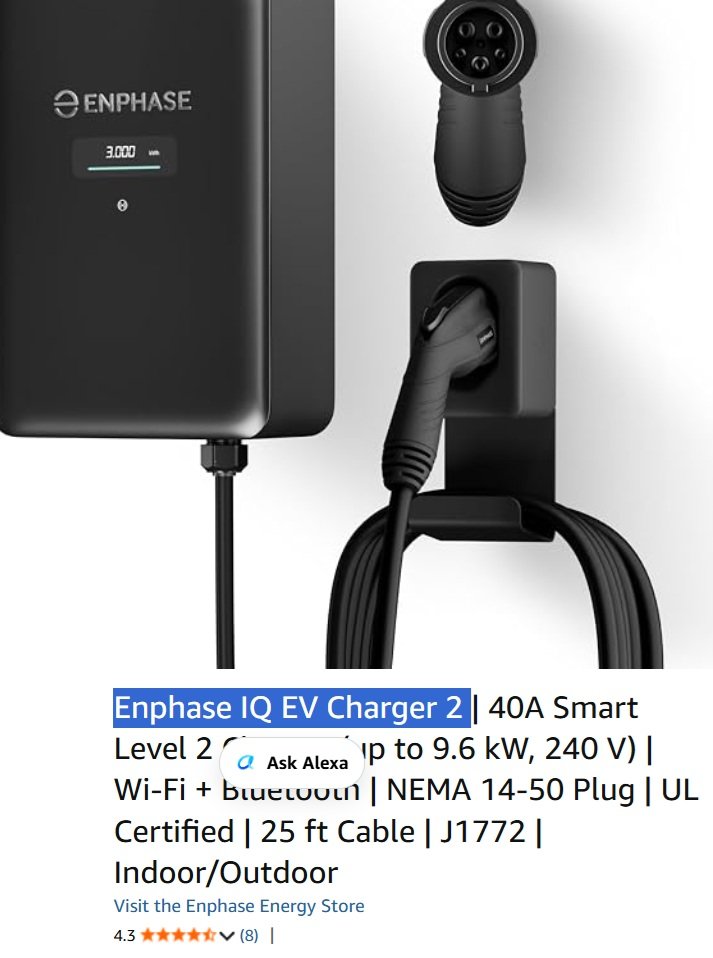
Green mobility is no longer just about the car itself. One of the most important innovations is the idea of a full energy ecosystem in which electric vehicles, home solar panels, battery storage, and smart chargers all work together. In this model, the vehicle becomes part of a broader renewable energy strategy.
For many drivers, this may be the most practical version of solar mobility today. A home solar system can generate far more electricity than a vehicle roof alone, and smart charging systems can direct that renewable energy into the car at the right times. This creates a cleaner and potentially more affordable transportation solution without relying solely on onboard solar panels.
Innovation 7: Portable Solar and Off-Grid Charging Support
Portable solar technology is also contributing to green mobility innovation. Foldable solar arrays, portable battery systems, and mobile charging support tools are giving EV owners more ways to use solar energy outside the home. While these systems usually provide supplemental rather than full charging, they are useful for emergencies, camping, remote travel, and resilience planning.
This matters because it expands the role of solar in transportation beyond fixed home installations. It opens the door to more flexible use cases and reinforces the idea that renewable charging can become part of daily life in more than one way.
How These Innovations Improve Green Mobility
Together, these innovations make transportation cleaner, smarter, and more resource-efficient. Better solar cells increase renewable input. Lightweight materials and aerodynamic shapes reduce energy demand. Smart battery management ensures energy is used wisely. Integrated design and broader home-energy systems create a more complete sustainability picture.
Green mobility is not defined by a single breakthrough. It is created through the combination of many improvements that reinforce one another. Solar car technology is powerful because it sits at the intersection of all these advances at once.
The Challenges Still Ahead
Despite the progress, electric solar car technology still faces important challenges. Surface area remains limited, which means even efficient solar cells can only gather so much energy on a passenger car. Weather conditions also affect performance, and manufacturing costs for advanced materials and solar integration can still be high.
These limits are real, but they do not weaken the importance of the innovation. Instead, they show why the industry continues to focus on efficiency and system design. Every improvement in materials, energy conversion, and software makes solar mobility more practical than it was before.
Why Consumers and Automakers Are Paying Attention
Consumers are paying attention because solar EV technology promises lower operating costs, cleaner energy use, and a strong connection to the future of transportation. Automakers are paying attention because solar integration offers a way to differentiate products and align with growing demand for sustainability.
There is also a powerful symbolic appeal. A vehicle that gathers energy from the sun represents a smarter model of mobility, one that feels modern, efficient, and environmentally responsible. That kind of identity matters in a market increasingly shaped by clean technology.
The Road Ahead
The future of electric solar car technology will likely involve gradual expansion rather than sudden replacement of conventional EV charging. More vehicles may include solar roofs, solar-assisted systems, and smarter renewable integration. Home charging ecosystems will probably become more connected and more intelligent as well.
Over time, solar mobility may move from novelty to expectation. What seems innovative now could become standard in the next wave of electric transportation. As that happens, green mobility will become not just cleaner, but more self-sustaining and more resilient too.
Final Thoughts
Electric solar car technology is not just a futuristic idea. It is a growing field of innovation built on real advances in solar efficiency, battery intelligence, materials engineering, and vehicle design. Each new improvement pushes transportation closer to a model where vehicles use energy more wisely and gather more of it from renewable sources.
The future of green mobility will be shaped by systems that combine clean power, smart engineering, and practical efficiency. Solar-powered vehicle innovation is helping lead that shift, and its influence is only beginning to grow.